


David Weiss. The Dream of Casa Aprile. Carona 1968-1978
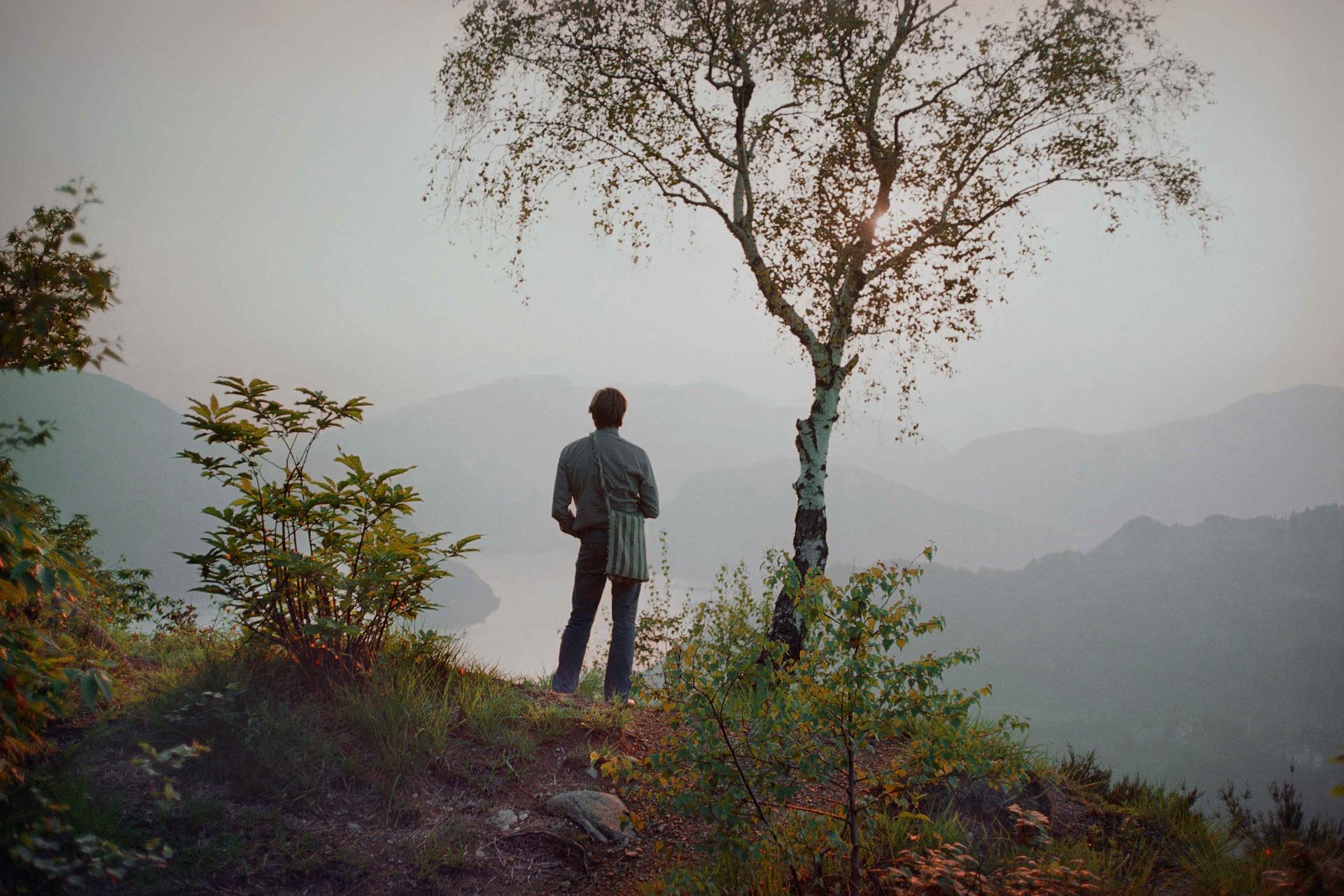
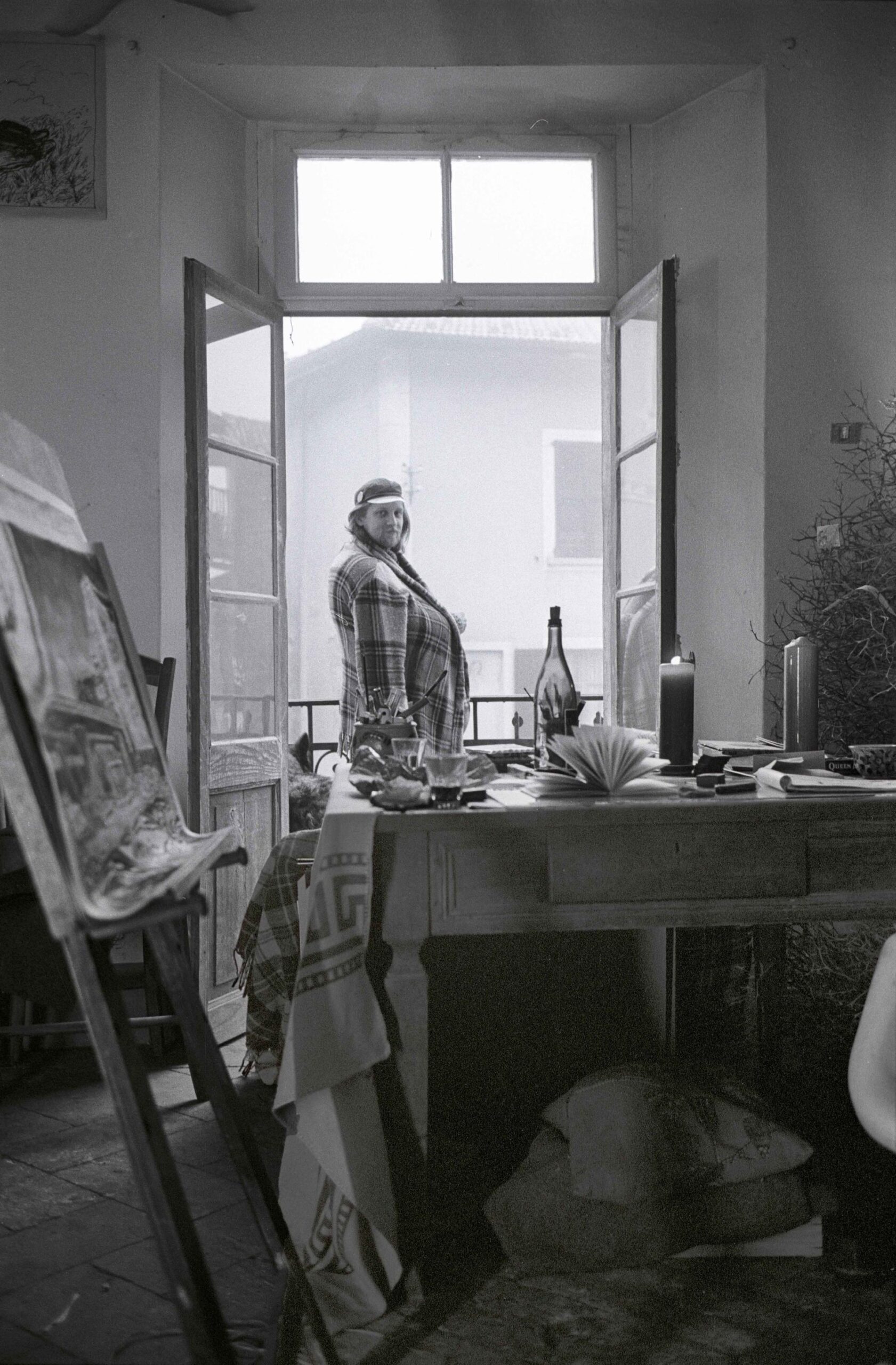
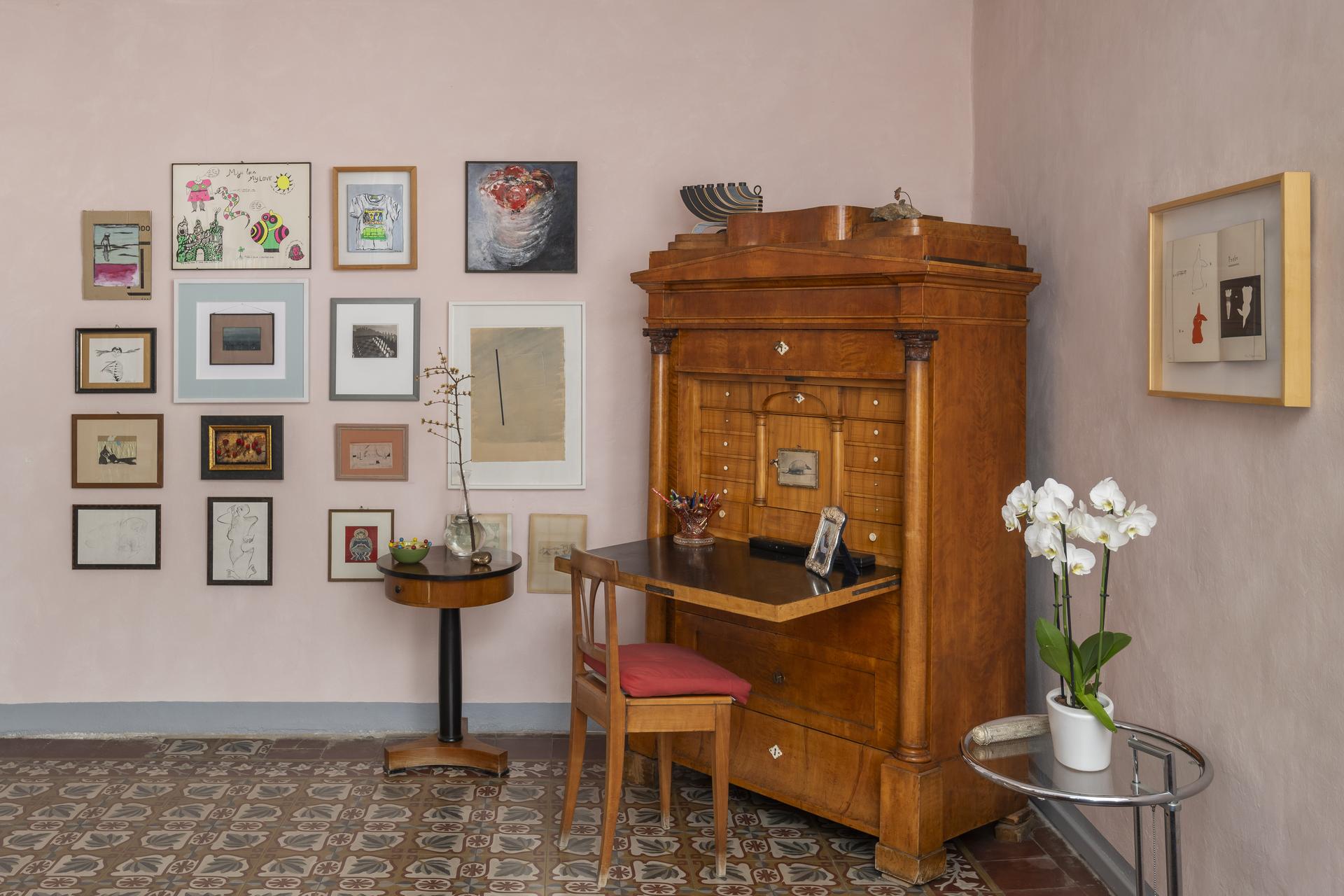
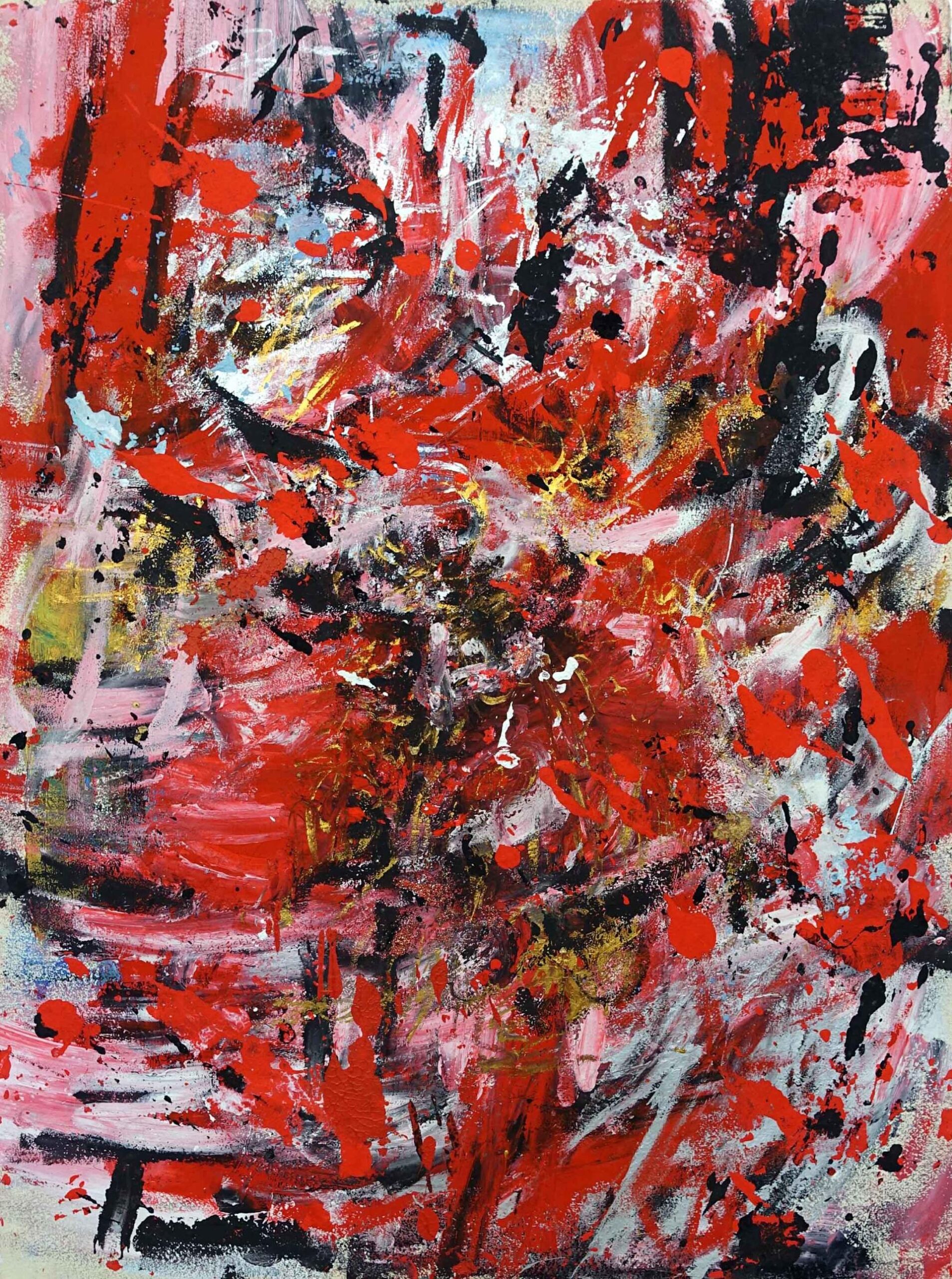
MASI Lugano presents “David Wiess. Il sogno di Casa Aprile. Carona 1968-1978”. For the first time, the exhibition, which presents more than two hundred rarely exhibited works from public and private archives, traces the history of the artistic community that came into being in Casa Aprile in Carona: a charmed setting in which the young David Weiss – future half of the famed duo Fischli / Weiss – experienced art as an everyday practice, shared dream and act of community.
Though rooted in that specific setting, the art produced in Carona challenges the dividing line between centre and margins, urban landscape and natural idyll, solemnity and playfulness, solitude and community. Starting from this standpoint, the exhibition in MASI opens by exploring the cultural milieu that characterised this particular period of history in Carona: the people who spent time there, and the family ties and ongoing connections that formed in the Ticino village involved a number of illustrious figured, including Herman Hesse, who described the landscape in his texts and watercolours, as a setting for reflection and healing.
The exhibition also includes a priceless series of drawings and paintings by the famoius Swiss artists Meret Oppenheim, who, together with her brother Burkhard Wenger, bought Casa Aprile in 1969. These works illustrate the point of encounter between the historical village of Carona and the experimental artistic community that gathered there. The exhibition goes on to document the early urban experiments of David Weiss and his arrival at Casa Aprile, when its collective creative microcosm was coming into being. At this period in his life his work was dominated by drawing and poeting reflections on the ladscape as a space of memory, imagination and everyday life.
Weiss’s practice of this period already exhibited the surreal humour, and fragmentary, poetic narration that went on to inform the transformative spirit of his partnership with Peter Fischli. The works on display in MASI include the original drawings for the famous artist’s book up and down town, also known as “Regenbüchlein” (Little Rain Book)”. It is part of the Wandlungen (Metamorphoses) series, a collection of graphic metamorphoses and free associations he developed from 1975, in Marrakech, Carona and Zurich. In these drawings, the uninterrupted flow of images, a chain of uncontrolled causes and effects, recalls the narrative structure of the famous children’ book “Joggeli söll ga Birli schüttle!” (Joggeli should go shake the pear tree!) by Lisa Wenger (1908), which is also on show.